The city farmer initiative™
Debunking the food desert lie
Abundance is all around us. The Earth already provides what we need. Right beneath our feet.
THE LIE
Food insecurity is manufactured.
The phrase "food desert" makes scarcity sound natural. It is not. It trains people to see absence where there is actual abundance.We don’t have a food supply problem. We have a perception problem.We have been taught to see vacant land as useless.
To see food as something that only comes from stores.
To believe communities must depend on outside systems to eat.Meanwhile, publicly owned land sits idle, neighborhoods remain undernourished, and people pay rising prices for food that could be grown close to home.This perception is not accidental. It is reinforced by systems that monetarily benefit when people are disconnected from land, food, and their own capacity to provide.What gets called food insecurity is often really disconnection from land, food, and self-sufficiency.
THE VISION
Every lot becomes a crop.
The vision is simple: transform open, underused land into productive community farmland.Not one giant farm.
A living network of micro-farms spread across the city.Greens on one lot.
Peppers on another.
Onions down the block.
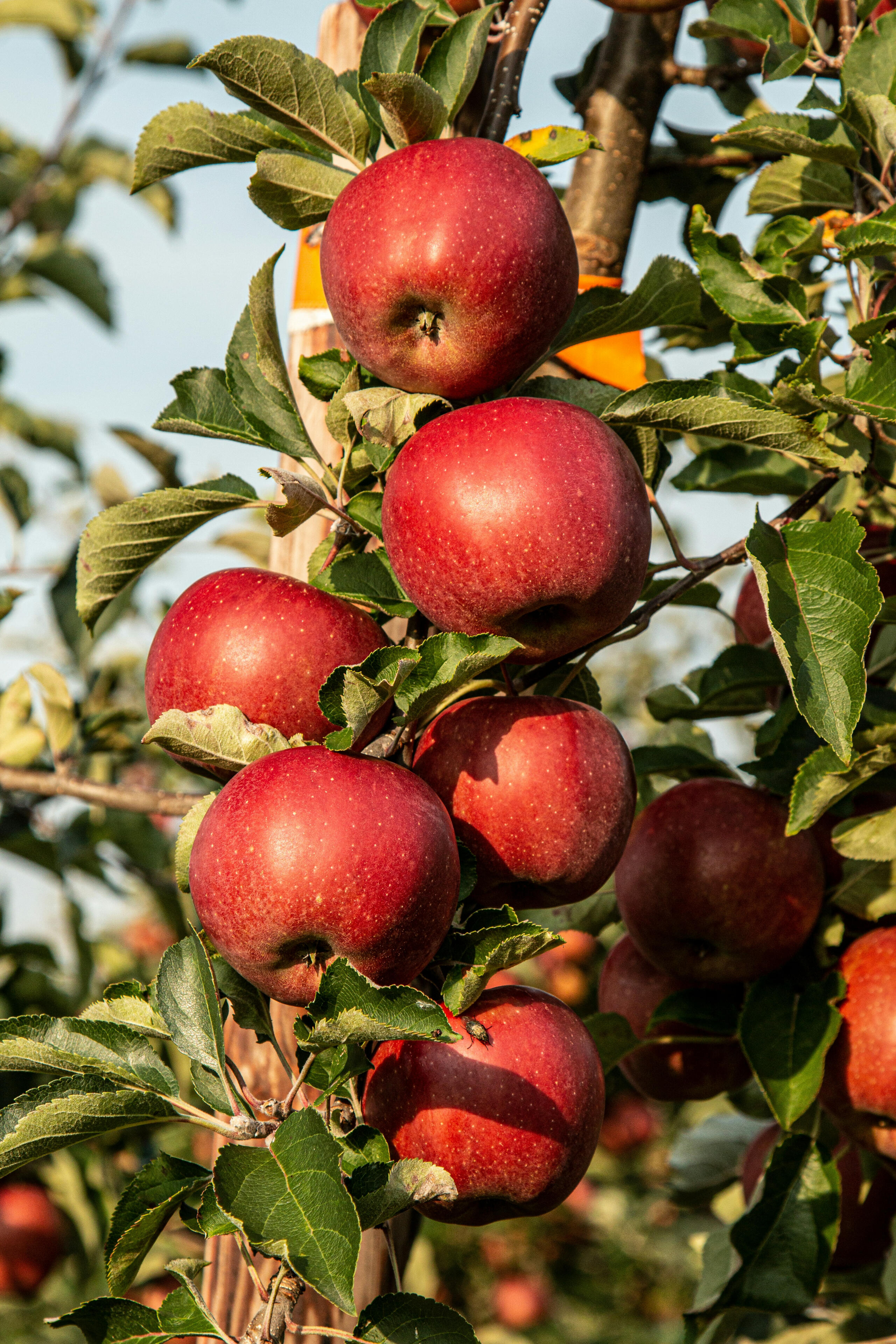
Fruit trees along the edges.
Herbs, beans, tomatoes, and medicine growing where emptiness used to be.Over time, these scattered growing spaces become a connected food ecosystem—one that feeds people locally, visibly, and consistently.This is how a city stops being dependent and starts becoming fertile again.
THE MODEL
Plant first. Organize second. Build as we go.
Start with what is already here.1. Identify vacant or underused land.
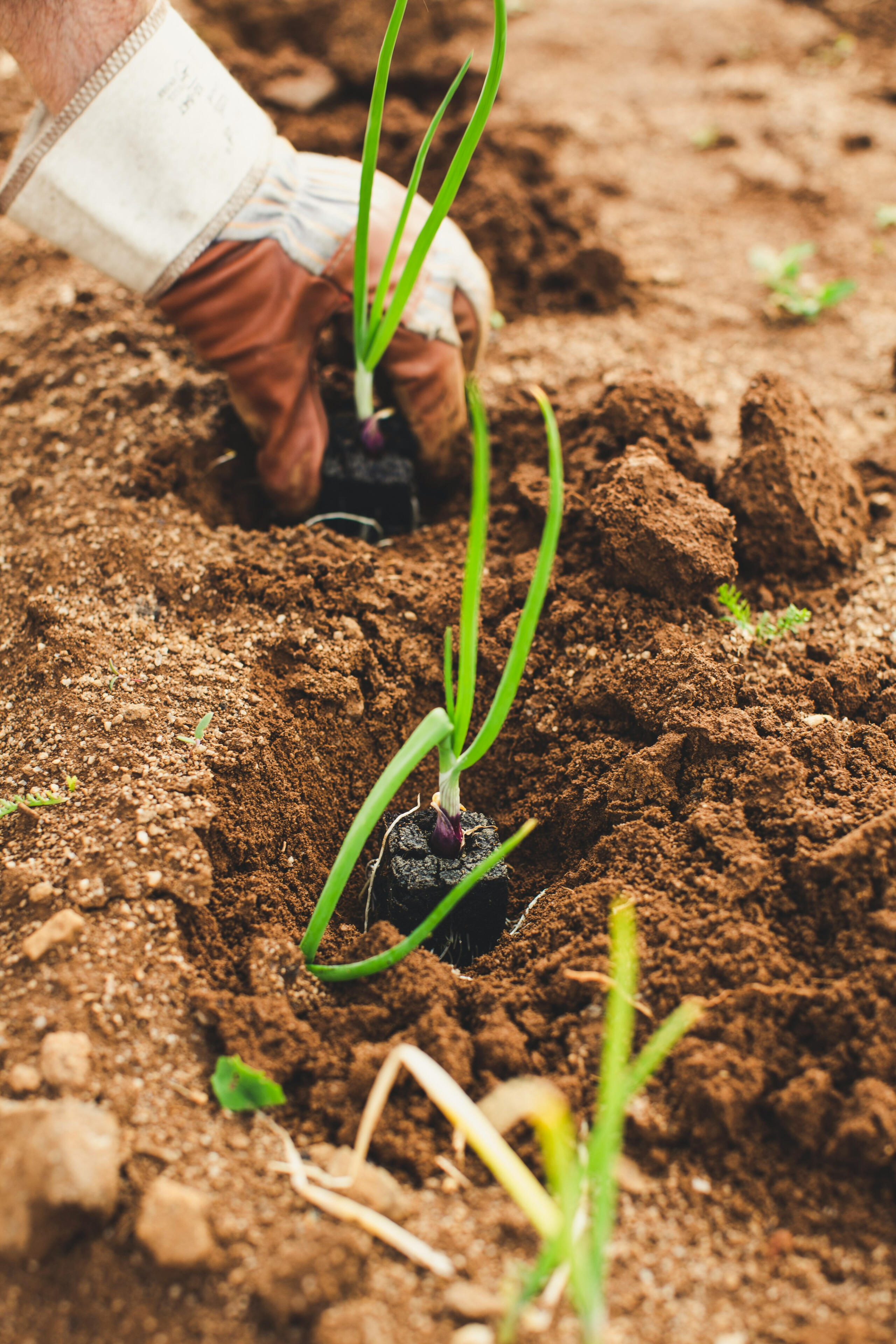
2. Prepare it for growing.
3. Plant food.
4. Maintain each site as active community farmland.
5. Harvest, distribute, teach, and expand.If a lot gets sold, we harvest what we can and move to the next one. The movement does not stop because the model is not based on one piece of land. It is based on reclaiming the habit of growing food everywhere possible.The goal is not perfection. The goal is momentum.
WHY THIS MATTERS
People do not need more programs. They need capacity.
Healthy communities should not have to beg for access to what sustains life.They need food.
They need land.
They need skill.
They need local systems that can hold them.The City Farmer Initiative is about restoring the ability to meet basic needs without waiting for permission, approval, rescue, or charity.When communities can grow food, preserve it, prepare it, distribute it, and sell it, they are no longer trapped in artificial dependency.This is sovereignty.
WHAT WE'RE CREATING
More than gardens. A local food economy.
This initiative is about building a repeatable neighborhood-based infrastructure for self-sufficiency.Through The City Farmer Initiative, vacant land becomes the foundation for:Urban farming networks
City-owned or accessible lots transformed into micro-farms managed with regenerative and urban agriculture methods.Food production and distribution
Fresh produce grown locally and distributed to families, schools, small grocers, co-ops, and neighborhood markets.Canning, cooking, and food education
Community members trained in preservation, preparation, and value-added food production—from seed to sauce.Youth and workforce development
Paid pathways for young people and residents to learn farming, culinary arts, sustainability, and stewardship.Neighborhood micro-economies
Opportunities for residents to become growers, suppliers, educators, and food artisans within their own communities.
Explore food as a calling.
The future of food depends on more than growing crops. It requires people who know how to steward land, save seeds, raise bees, preserve food, cook, teach, organize, and build resilient local food systems.The Food Exploratory Apprenticeship was created for curious travelers who want to explore the many pathways within the food ecosystem before committing to a specialty or profession.Participants will explore gardening, urban farming, regenerative agriculture, seed saving, beekeeping, food preservation, culinary arts, nutrition, food sovereignty, and community food systems through guided learning, conversations, and apprenticeship.Whether you're considering a career in food, seeking practical life skills, or simply curious about how communities feed themselves, this apprenticeship offers a place to begin.
THE LONG GAME
A city that knows how to feed itself.
This is bigger than produce.It is about changing what a neighborhood expects from itself.A child grows up recognizing seeds, soil, and seasons instead of thinking food only comes from stores.
A resident learns how to grow, cook, preserve, and sell what the land produces.
A block once defined by vacancy becomes known for nourishment.
A city once dependent on outside supply chains begins rebuilding local resilience from the ground up.The long game looks like this:Neighborhood markets.
Fruit forests.
Community-run greenhouse operations.
Local food products.
Farm-to-school meals.
Block-level growing systems that make food insecurity increasingly irrelevant.Because people used what was already there and built from the ground up.
THE CALL
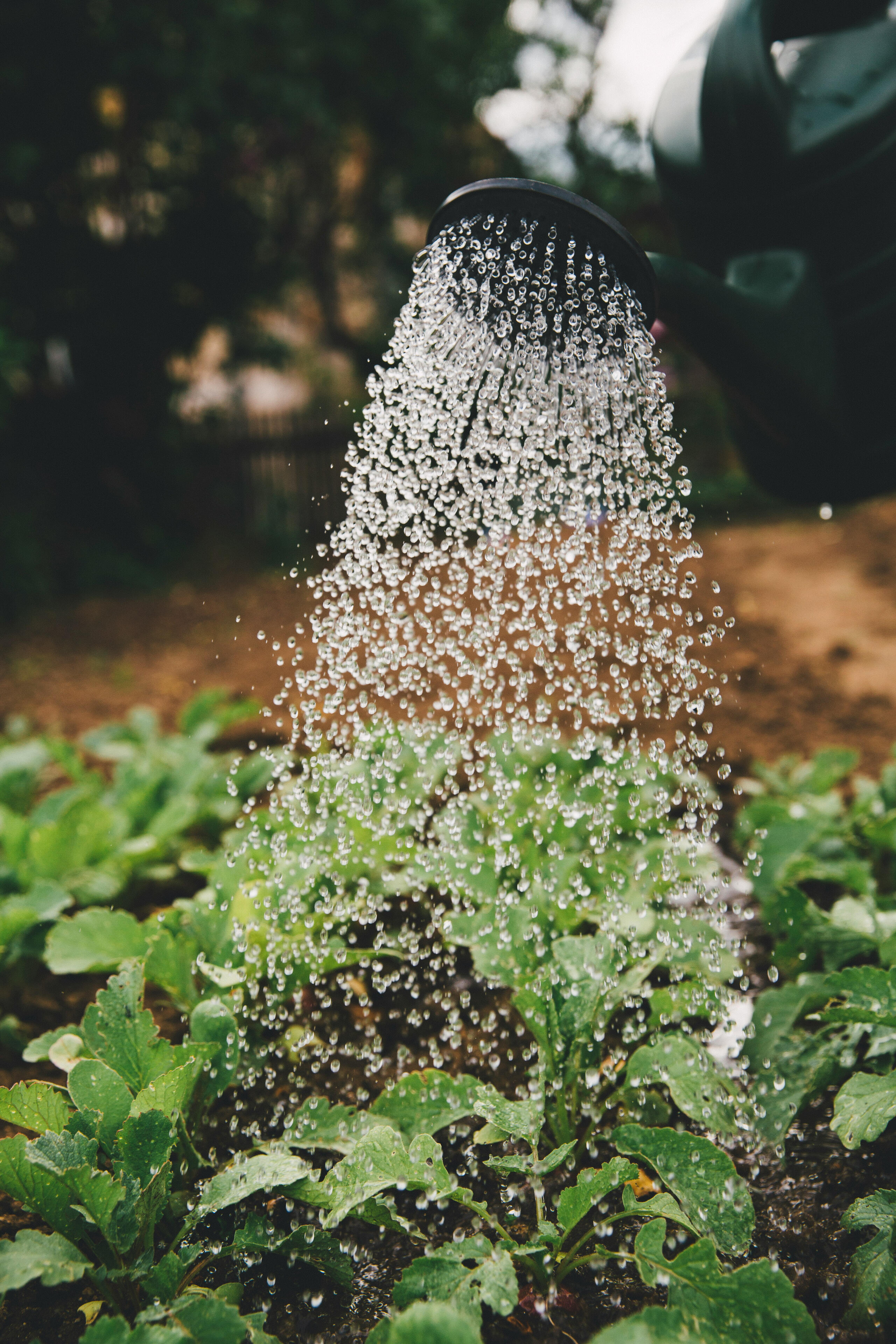
Where there is land and access to water, there is food.
Everything begins there.Food is not as far away as people have been taught to believe. In many cases, it is closer than imagined—resting in the land already around us, waiting to be recognized, cultivated, and shared.The City Farmer Initiative starts from a simple truth: when land is available and water is accessible, nourishment is possible.That truth changes everything.It means vacant land is not empty.
It means communities are not helpless.
It means food insecurity is not inevitable.
It means dependence can be reduced.
It means people can begin again, right where they are.This is the call:
Use what is here.
Grow what we need.
Feed people directly.
Restore the connection between land, labor, and nourishment.This work begins with the recognition that abundance is already here.Plant everywhere. Feed everyone. Change everything.
KEEP UP WITH THE MOVEMENT
Subscribe to The Mother Empire
Subscribe to receive email updates on the City Farmer Initiative and the broader work of The Mother Empire.
Visit The Mother Empire
Explore the larger vision behind this work: The Mother Empire